Anxiety: what a randomized trial found
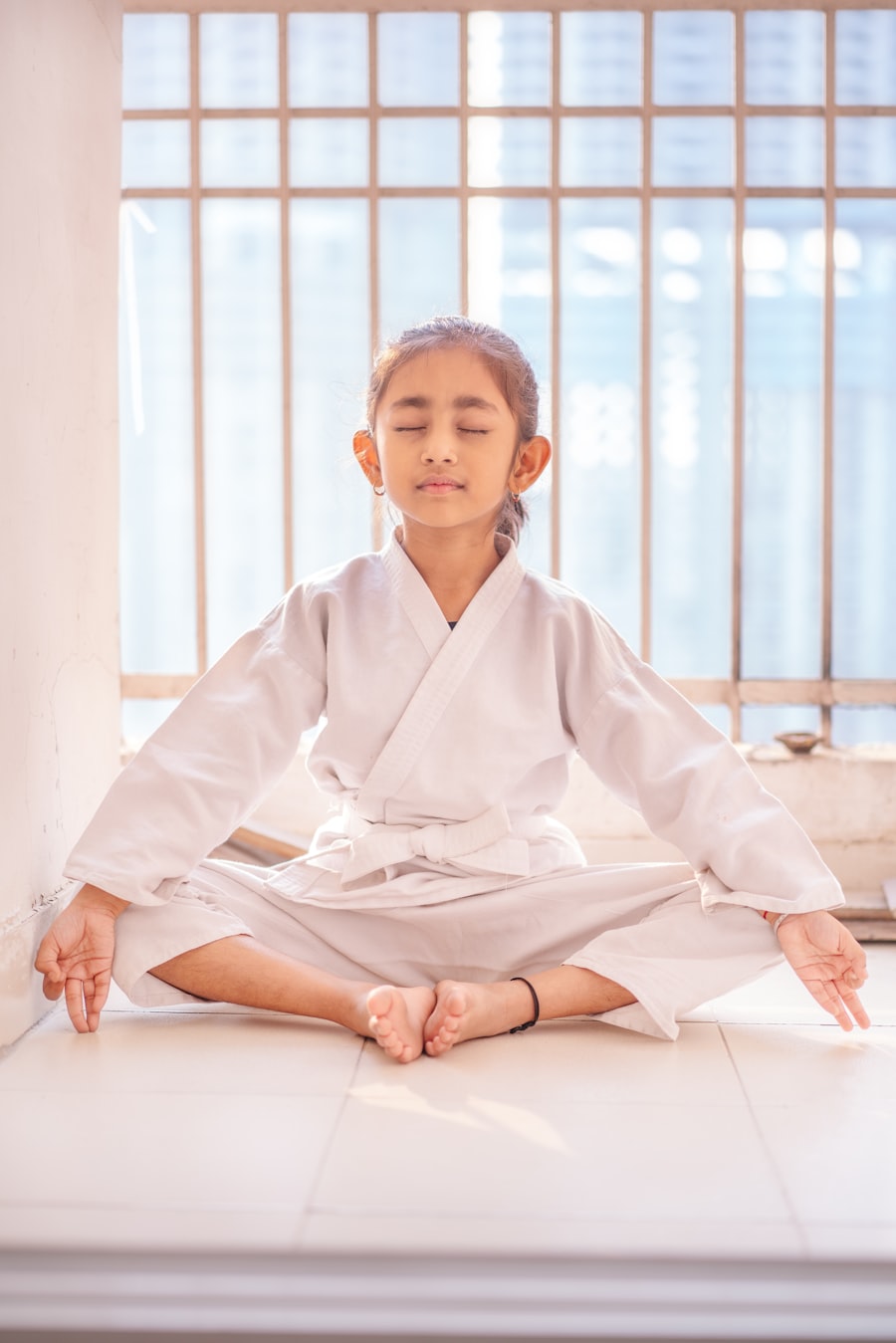
In a randomized controlled trial, third-graders screened for anxiety symptoms did 40 minutes of yoga and mindfulness before school for 8 weeks. Compared with classmates receiving usual care, their emotional and psychosocial quality of life improved significantly (Bazzano et al., 2018 — included in the 2024 Frontiers in Education scoping review of 14 school yoga studies).
Aggression and big behavior
A 12-week study of 125 children found decreased aggressive behavior — notably less screaming and yelling — with the largest improvements among children their own peers had rated as most aggressive (Velásquez et al., 2015). Yoga didn't just calm the already-calm kids; it reached the children who needed regulation tools most.
Self-regulation starts in preschool
Emotional regulation is built on self-regulation, and that develops earlier than most people think. In a 25-week program, children ages 3–5 practicing mindful yoga improved in effortful control, attention control, delay of gratification, and inhibitory control (Razza et al., 2015) — the developmental machinery a child uses to pause between feeling and action.
Why it works
Yoga pairs the body's natural calming lever — slow, extended exhales — with movement children actually enjoy. Poses give big feelings somewhere to go; breathing gives children a handle to pull when the wave rises. Reviewers note these skills map directly onto the CASEL social-emotional learning competencies of self-awareness and self-management.
Across randomized and controlled studies, school yoga improved anxious children's emotional quality of life, cut aggressive behavior most in the kids who struggled most, and built core self-regulation in preschoolers.
Frequently Asked Questions
Can yoga replace therapy for an anxious child?
No. Yoga is a well-supported complement that builds daily coping skills; children with significant anxiety should also be supported by a pediatrician or mental-health professional.
What age should emotional-regulation yoga start?
Research shows measurable self-regulation gains from age 3, when practices are taught as games and stories.
How quickly do children learn to use breathing to calm down?
The calming reflex works immediately; reaching for it independently typically develops over several weeks of playful, repeated practice.
Sources
Curious what this looks like in practice?
Brightroots brings research-grounded yoga to schools and daycares across the Bay Area.
Inquire → ← All Articles